














Company

Infrastructure for sovereign AI

Scaleout builds software infrastructure for machine learning in distributed environments. Our platform, Scaleout Edge, lets organisations train and manage models across decentralised systems without moving sensitive data. Data stays where it belongs while models improve collectively.

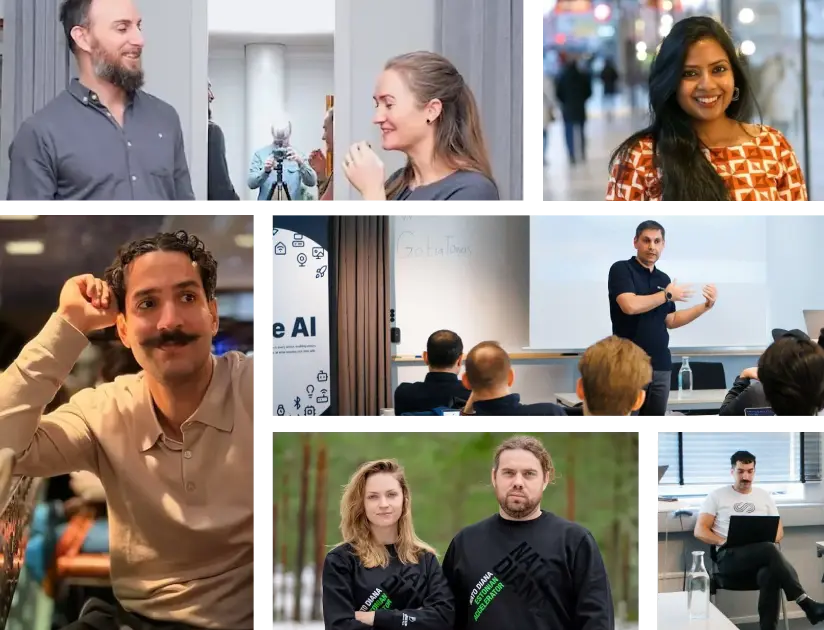
The Scaleout team posing together

Mission

Our mission

AI systems are increasingly built on data that cannot be centralised. Medical records, industrial data, defence systems and connected devices all operate in environments where data must remain local.

Our mission is to make it possible to train and operate AI across these environments without moving sensitive data. By enabling organisations to collaborate on machine learning while retaining full control over their data, we help build more secure, sovereign, resilient and trustworthy AI systems.

Scaleout was founded in 2018 by researchers from Uppsala University working on large-scale distributed systems and scientific computing.

100+
Published papers
7
PhDs
2
Associate professors

Team

Our team

Scaleout is a team of data scientists, machine learning engineers, software engineers, and entrepreneurs. The team combines academic research and industry experience, with backgrounds at Google, Saab, BCG, Oracle and MySQL.

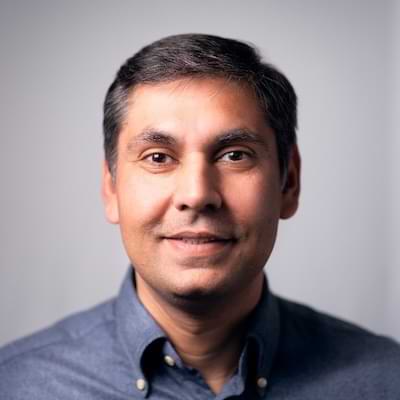
Andreas Hellander headshot

Andreas Hellander

Co-Founder / CEO

Salman Toor headshot

Salman Toor

Co-Founder / CTO

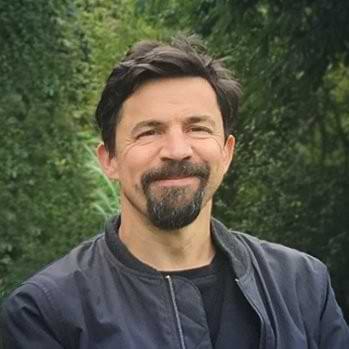
Daniel Zakrisson headshot

Daniel Zakrisson

Co-Founder / COO

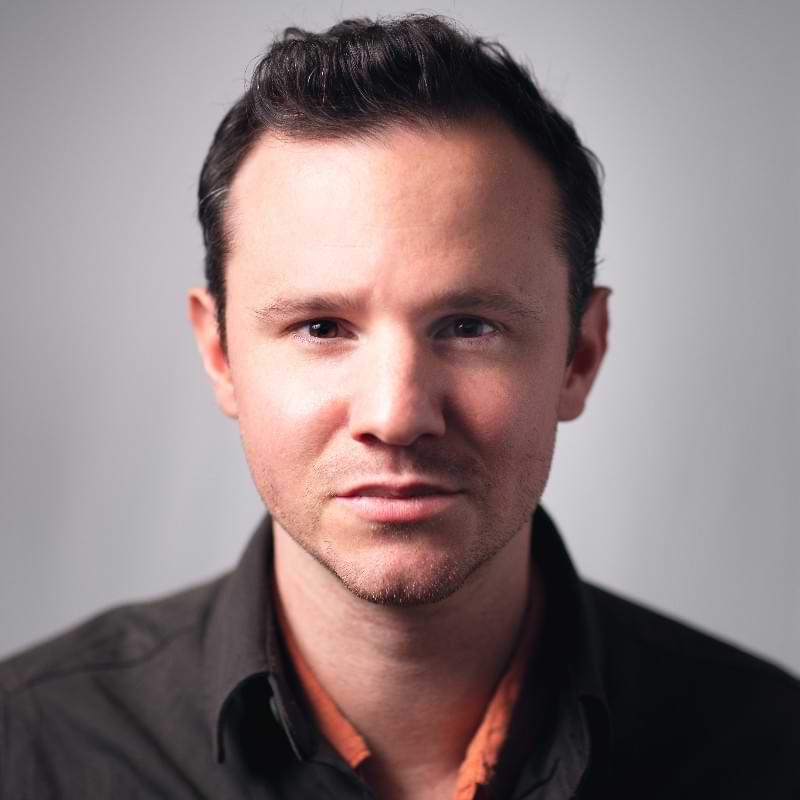
Jens Frid headshot

Jens Frid

Co-Founder / CMO

Ebba Kraemer headshot

Ebba Kraemer

Co-Founder / CCO

Fredrik Wrede headshot

Fredrik Wrede

Head of Engineering

Mattias Åkesson headshot

Mattias Åkesson

Senior FL Engineer

Stefan Hellander headshot

Stefan Hellander

CISO

Niklas Holmström headshot

Niklas Holmström

Software Developer

Viktor Valadi headshot

Viktor Valadi

ML Engineer

Jonas Frankemölle headshot

Jonas Frankemölle

ML Engineer

Katja Hellgren headshot

Katja Hellgren

ML Engineer

Carl Andersson headshot

Carl Andersson

ML Engineer

David Hovstadius headshot

David Hovstadius

ML Engineer

Sigvard Dackevall headshot

Sigvard Dackevall

ML Engineer

Muhammad Usama headshot

Muhammad Usama

ML Researcher

Rasmus Maråk headshot

Rasmus Maråk

Research Engineer

Lucas Beerens headshot

Lucas Beerens

MLOps Engineer

Robin Kurtz headshot

Robin Kurtz

Senior ML Researcher

Srihaarika Vijjappu headshot

Srihaarika Vijjappu

ML Engineer

Magnus Blåudd headshot

Magnus Blåudd

Principal Software Developer

Noah Wassberg headshot

Noah Wassberg

Research Engineer

Svea Ottestig headshot

Svea Ottestig

Operations

Careers

Work with us

We're always looking for people who want to build infrastructure for AI in the world's most demanding environments.

Master’s thesis projects

Explore five research projects in federated learning, efficient edge AI and AI security.

Communication-Efficient Federated Learning via Dynamic Quantization-Aware Training

Investigate how dynamic low-bit training can reduce communication costs in federated learning, adapting precision to network conditions and client data while preserving model accuracy.

Read project description (PDF)

Context-aware Mixture of Expert models for computational efficiency

Explore how context-aware routing, quantization and pruning can reduce the memory and compute costs of vision models on resource-constrained edge devices.

Read project description (PDF)

Heterogeneous Federated Learning via Adaptive Sub-Network Extraction

Develop adaptive sub-networks tailored to each device’s capacity, enabling devices with different compute and memory resources to train a shared model collaboratively.

Read project description (PDF)

Domain-adaptation with context-aware Mixture of Experts models

Study how vision models can adapt to new domains by adding or swapping experts, using context to guide routing while balancing new learning with knowledge retention.

Read project description (PDF)

Security profiling and defense against active gradient inversion in object detection

Evaluate how active gradient inversion attacks can expose training images in federated object detection, and investigate client-side defenses and the trade-offs between information leakage and detection accuracy.

Read project description (PDF)

To apply, send your CV, academic transcripts and a brief motivation statement referencing relevant project or coursework experience to viktor@scaleoutsystems.com. See each project description for prerequisites and research questions.